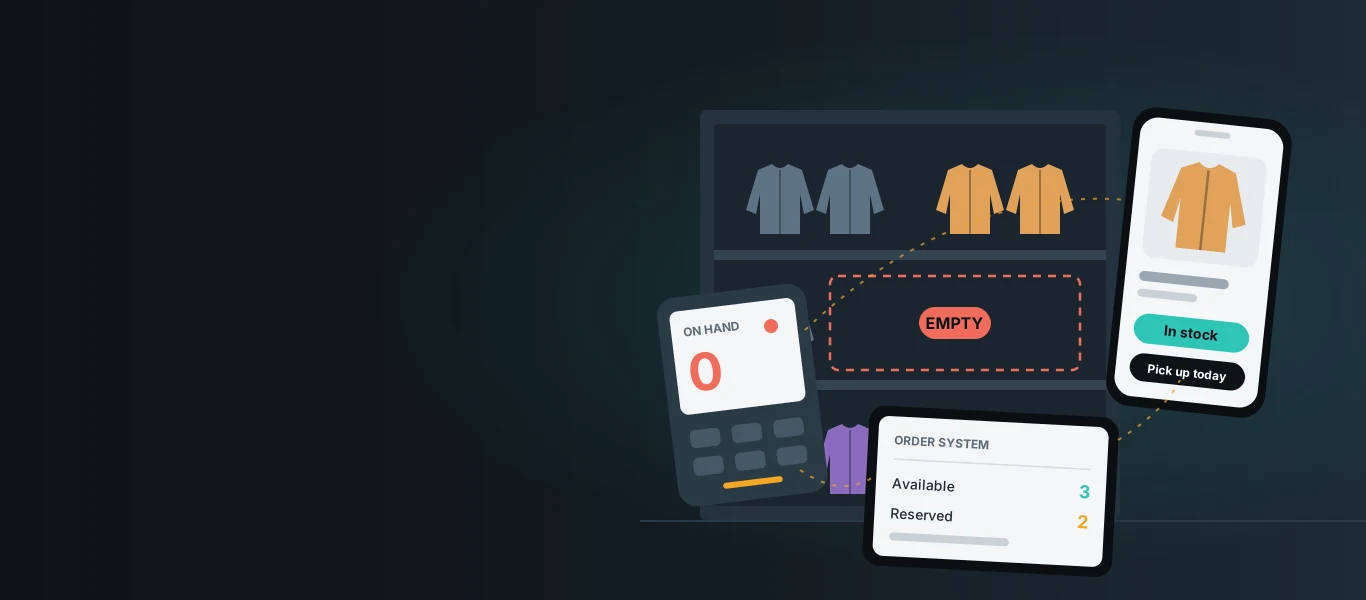


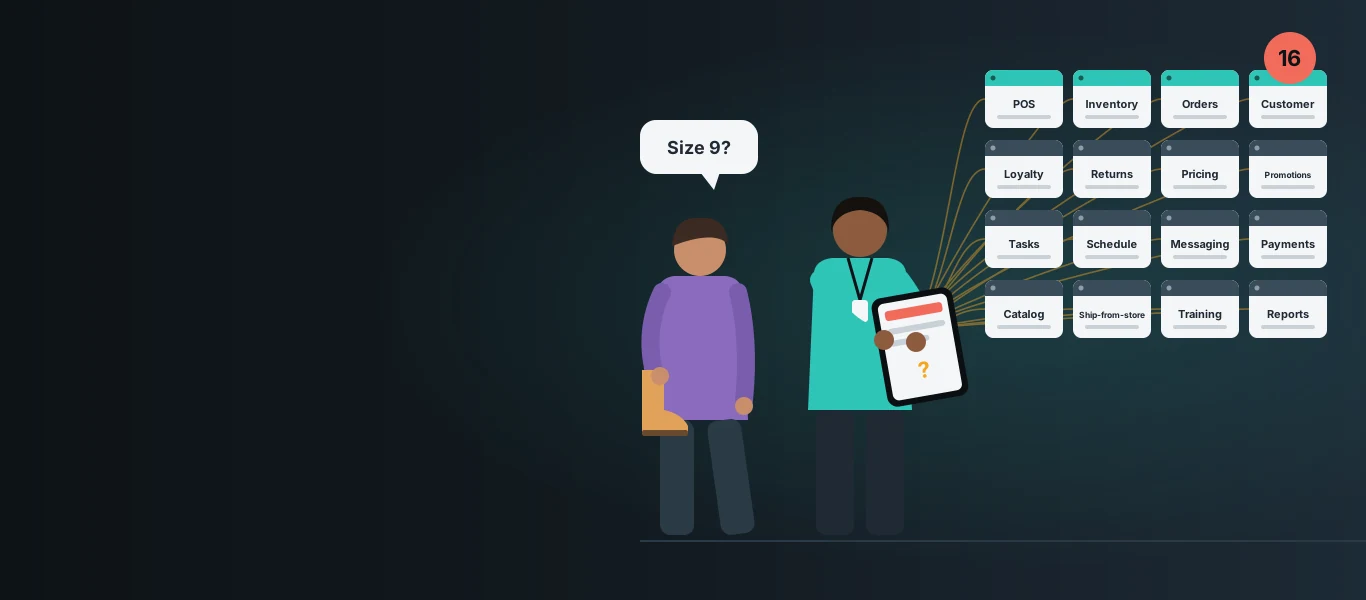

A customer asks whether the boots she saw online come in a nine. The associate opens the point of sale, then the inventory lookup, then the order screen. By the third login the customer has walked to the next aisle.
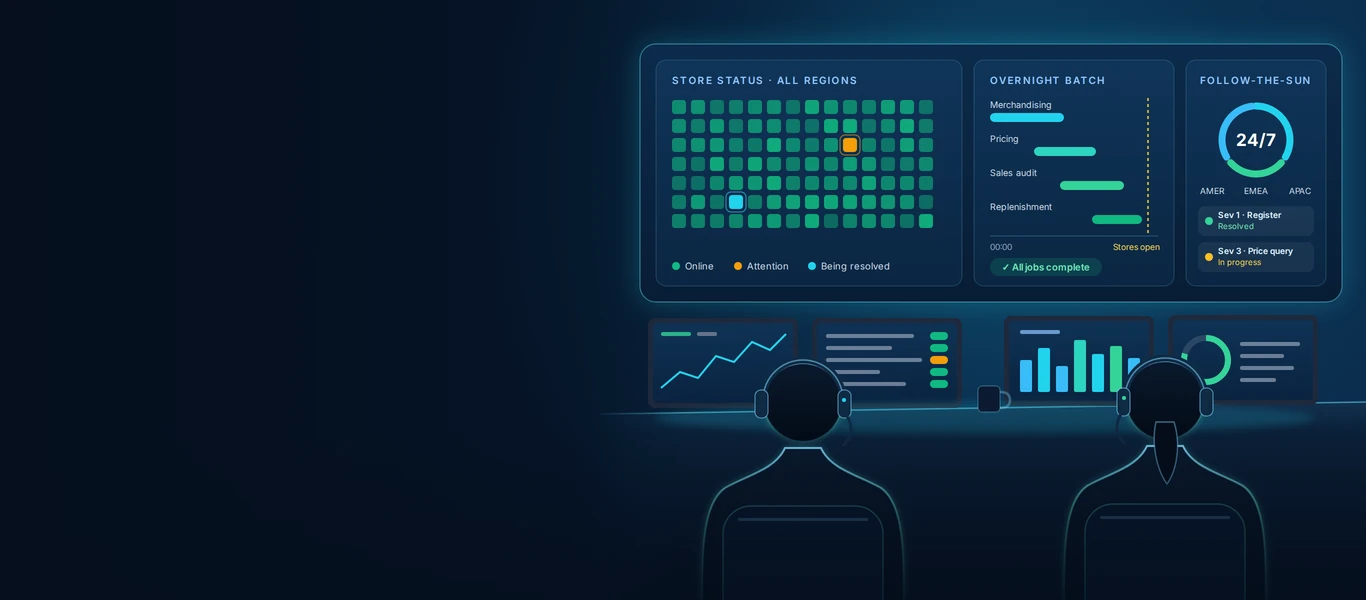
Store associates now learn an average of 16 systems to do their jobs, up from 12 in 2023. Only 17% of retailers have a unified view of customer data.
Those figures come from Salesforce’s Connected Shoppers Report. The same report found that 81% of retailers say inefficient processes and technology drain associate productivity. The holiday floor is where that cost shows.
Count the screens behind one question
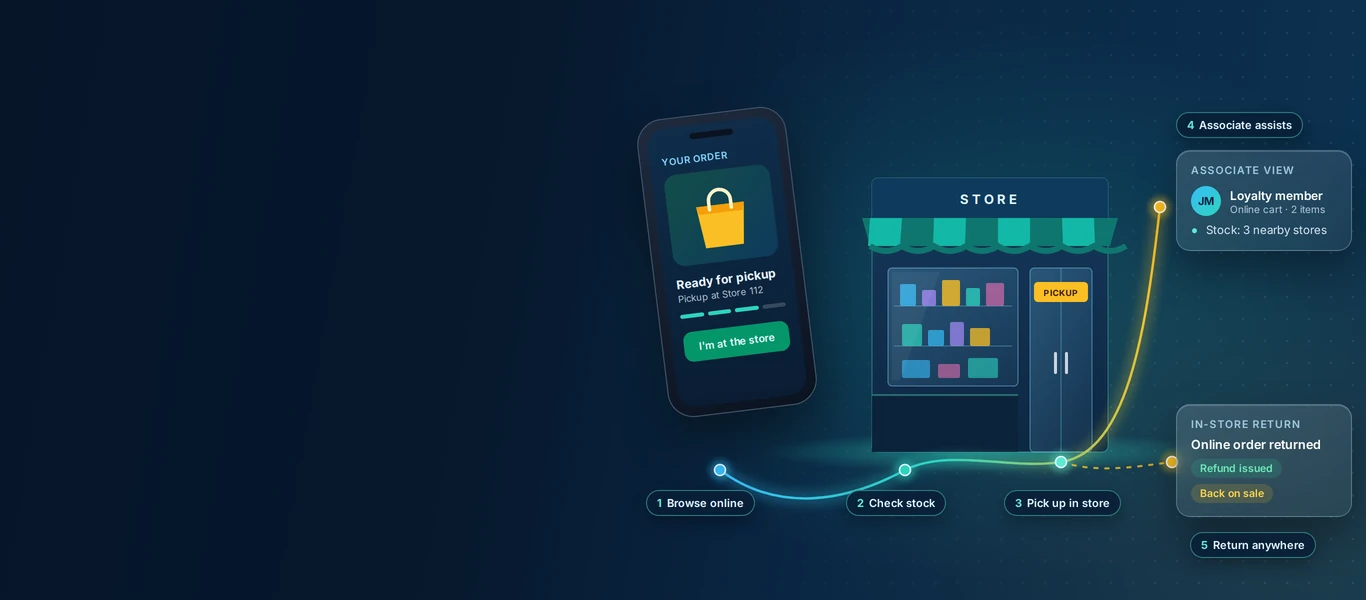
Start with the five questions customers ask most. Is it in stock? Where is my order? Can I return this here? For each one, list every system the associate has to open to answer it.
Mark the system where the answer most often goes stale. That mark is worth more than a feature list. It shows where a customer waits.
Connect the answer before you add the assistant
An AI store assistant can put product, customer and inventory information in an associate’s hands. It reads the same records the associate reads today. If the point of sale and the order system disagree, the assistant will pick one and sound sure about it.
Connect product, inventory, order and customer data through defined interfaces first. Then the assistant has one answer to give.
Give the associate one place to look
The goal is fewer lookups. A seventeenth screen does not help anyone. Measure the time from question to answer before and after, and keep the number where the store team can see it.
Start with the holiday floor you have
Seasonal staff make this sharper. NRF expects retailers to hire between 325,000 and 375,000 seasonal workers this year. A new hire has days to learn what a veteran learned over years. Every extra system is paid for in training time and in wrong answers.
Pick the one lookup that seasonal staff get wrong most often and connect that first. The gain shows up in the first week of December, when the floor is full.
A test to run this week
Stand beside one associate for an hour. Write down every screen they open and every time they walk away to check. That list is your integration backlog, in the order customers feel it.
Bring that list to NRF 2027 and meet SkillNet at booth 1427.
References
Salesforce, Connected Shoppers Report, 6th edition, March 2025 (survey conducted November to December 2024). https://www.salesforce.com/resources/research-reports/connected-shoppers-report/
Salesforce, 75% of Retailers Say AI Agents Will Be Essential to Compete, 2025. https://www.salesforce.com/news/stories/ai-agent-retail-trends-2025/
NRF, 2026 holiday sales forecast, October 15, 2026. https://nrf.com/media-center/press-releases/nrf-forecasts-2026-holiday-sales-growth-as-consumers-remain-resilient
SkillNet, Agentic AI in Retail POS: From Checkout to Autonomous Store Operations, September 9, 2026. https://www.skillnetinc.com/resources/blogs/agentic-ai-retail-pos/
FAQs
1. How many systems do store associates use?
Salesforce’s Connected Shoppers Report (sixth edition) found that store associates learn an average of 16 systems to do their jobs, up from 12 in 2023. Each extra system adds training time and more chances for a wrong answer on the floor.
2. What does a store associate need before AI can help?
Connected data. Product, inventory, order and customer records should move through defined interfaces so every system gives the same answer. Then an AI assistant has one answer to give, and the associate has one place to look instead of another screen.
3. Why can an AI assistant give the wrong answer in a store?
An AI assistant reads the same records the associate reads today. If the point of sale and the order system disagree, the assistant will pick one and sound sure about it. Connecting the data first is what makes the answer trustworthy.
4. Where should a retailer start before the holiday rush?
Stand beside one associate for an hour and write down every screen they open. Then connect the one lookup that seasonal staff get wrong most often, and measure the time from question to answer before and after.


 Digital Engagement & Experience
 Omnichannel and Stores
 Digital Engineering
 Technology Consulting